- Forum
- Questions
- Quran Questions (Exegesis, Commentaries, Recitations)
- Tafsir of 4:34 and Interpretation/Application of Nushuz (نُشُوز)
Tafsir of 4:34 and Interpretation/Application of Nushuz (نُشُوز)
- Username22
- Topic Author
- Offline
- Junior Member
-

- Posts: 25
- Thank you received: 1
Some translate nushuz as disobedience, to rise up against, or rebellion. Some say estrangement or moral failure. What is the zaydi interpretation and how does this extend to marital affairs? Is this concept viewed bilaterally among the genders or in application to one gender alone?
Thanks.
Please Log in or Create an account to join the conversation.
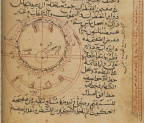

Imam Badr al-Din Ibn Amir al-Din alayhi as salam said this in his tafsir:“Those from whom you fear arrogance (nushūz):
This means those who depart from being righteous women by showing superiority over their husbands, belittling them, neglecting their rights, showing disinterest in them, or showing interest in others or similar behaviors that are the signs and beginnings of rebellion and that take them out of the state of righteousness.
Imam al-Mahdi al-Husain ibn al-Qasim al-Ayyani alayhi as salam said:
ومعنى قوله ø: {وَاللَّاتِي تَخَافُونَ نُشُوزَهُنَّ فَعِظُوهُنَّ} يعني اللواتي يباعدن أزواجهن وينفرن منهم، فأمر ø بوعظهن وتذكيرهن، فإن لم ينفع الوعظ فيهن، فالهجر والضرب والأدب الذي يرد إليهن عقولهن، وينفي سوء فعلهن وتدبيرهن، فإن رجعن وأطعن فلا سبيل عليهن.
And the meaning of His exalted is He saying: {“And those [wives] from whom you fear arrogance (nushūz), admonish them”} is:
those women who distance themselves from their husbands and show aversion toward them.
So, God commanded that they be admonished and reminded.
If admonition does not benefit them, then [the next step is] estrangement and disciplinary correction measures that restore their reason and remove the badness of their actions and behavior.
But if they return [to obedience] and comply, then there is no way (no blame or authority) against them.
Imam Abu al-Fath al-Daylami alayhi as-salam said:“And those [wives] from whom you fear arrogance (nushūz).”
The word “fear” (khawf) here means knowledge it is expressed as “fear,” but the intended meaning is “knowing,” as the poet said:
That is, I know [that I will not taste it again].Fear (khawf) can also mean supposition or expectation, as another poet said:“Do not bury me in the wilderness, for I fear —
when I die — that I shall not taste it (again).”
meaning, I did not think or I did not suppose.One can discern a woman’s rebellion (nushūz) by the bad conduct she shows.“And I did not fear through Islam that you would be my ultimate goal,”
Nushūz means disobedience to the husband and defiance of his authority, out of dislike or aversion toward him.
The root meaning of nushūz is elevation or rising up; from it, a raised place is called nashz.
Thus, a wife who resists or distances herself from her husband is called nāshiz (rebellious), because of her metaphorical “rising above” and distancing herself from him.
[End of Quote]
wa salam
Please Log in or Create an account to join the conversation.
- Username22
- Topic Author
- Offline
- Junior Member
-
- Posts: 25
- Thank you received: 1
Please Log in or Create an account to join the conversation.
- Religionlover19
- Offline
- Junior Member
-
- Posts: 26
- Thank you received: 2
Brother ibn kamal, I read among some of the twelves that ضرب used in the context of abandonment. So for example to say "فلان ضرب الخيمة" would translate to “that person abandoned his tent”. Can you clarify on the definition and context according to Zaydism?
If it directly translates to “hit” then what is considered by it? Is hitting the equivalent of physical contact that does not leave color on the skin?
Fi amanillah
Please Log in or Create an account to join the conversation.
dear Religionlover19,
Maybe what you read is a mistranslation, or perhaps an opinion I haven’t encountered before.But according to the Arabic language, “hitting the tent” (ضرب الخيمة) means to pitch a tent / to set up a tent.
ضربوا الخيامَ على الكثيبِ الأخضرِ … ما بينَ روضةِ حاجرٍ ومحجرِ
They pitched their tents upon the green sand-dune… between the gardens of Hājir and Muhajjar
al-Burai
قد ضُرِبَتْ خيمةُ الغَمَامِ لنا … وعرَّش جيشُ النَّسيمِ بالمطَرِ
The cloud has set up its tent for us… and the army of the breeze has roofed it with rain
Kashajim
وفي مأواك عاد شريدُ رحلي … عزيزَ الجارِ مضروبَ الخيام
In your shelter returned the wanderer of my travels… honored as a neighbor, surrounded by pitched tents
Ibn Daraj al-Qastali
ضربَ الخيامَ تقيّةً وتعرّضاً … وأشارَ نحوي بالسلامِ وعَرَّضا
He pitched the tents in prudence and display… and gestured toward me with greetings, openly and
Ibn Shihab
According to the classical Arabic sources, interpreting it as ‘abandoning his tent’ is incorrect.
It is methodologically unsound to seek a metaphorical meaning when no valid basis for such an interpretation exists.
wa salam
Please Log in or Create an account to join the conversation.
Imam Badr al-Din Ibn Amir al-Din al-Huthi alayhi as-salam in his tafseer:"{وَاضْرِبُوهُنَّ}" — The intended meaning here is a disciplinary strike to reform them, not a severe beating, because that is repulsive and causes division. As mentioned in the hadith: “Gentleness is blessing, harshness is misfortune.”It may also mean a sequence of measures to reform them, as outlined in the verse:If it directly translates to “hit” then what is considered by it? Is hitting the equivalent of physical contact that does not leave color on the skin?
- Start with gentle advice using kind and soft words, without insults or offensive language, e.g., do not say, “O immoral one, enemy of Allah.”
- If advice fails, move to temporary separation in bed, even for a night or longer, as long as it does not lead to despair or is unnecessary when a shorter separation suffices.
- If that does not work, use a light strike to demonstrate serious disapproval of their rebelliousness and to warn them that more severe measures (like divorce) may follow if they do not correct their behavior.
Thus:“His ‘Exaltedness’ is not a matter of physical height, nor is His ‘Greatness’ a matter of bodily size. Rather, Allah is Exalted and Great in the perfection of His power and the efficacy of His will. Mentioning these two attributes here is highly appropriate and meaningful for several reasons:
First, it serves as a warning to husbands against oppressing women. If women are weak in defending themselves or unable to secure justice from you, Allah is Exalted, All-Powerful, and able to ensure their rights. Therefore, you should not be deceived by your apparent superiority...”
- Because Allah is ‘Alī’ (Exalted), we should fear Him as the Supreme Overlord over His servants, dominant over all matters.
- Because Allah is ‘Kabīr’ (Great), even the lowly, needy servant should fear Him and feel awe, trembling before His majesty and grandeur.
I would like to add that it is crucial to understand that the verse in question addresses a rebellious woman, not normal marital disagreements or ordinary marital behavior.For example, this refers to a wife who refuses to observe Islamic marital responsibilities or exhibits extremely harmful behavior. Examples could include:
- Abusing the husband’s parents or family.
- Attempting to cause harm to her husband or his wealth.
- Flirting with other men or undermining the marital relationship.
Please Log in or Create an account to join the conversation.
- Forum
- Questions
- Quran Questions (Exegesis, Commentaries, Recitations)
- Tafsir of 4:34 and Interpretation/Application of Nushuz (نُشُوز)
- You are here:
-
Home

-
Forum
-
Questions
-
Quran Questions (Exegesis, Commentaries, Recitations)
- Tafsir of 4:34 and Interpretation/Application of Nushuz (نُشُوز)